
Maximizing Kitchen Space: Innovative Storage Ideas for Small Businesses
1. Introduction to Kitchen Storage Ideas
In the fast-paced world of small businesses, especially in the food and beverage sector, having efficient kitchen storage is not merely a luxury; it’s a necessity. A well-organized kitchen can significantly boost productivity, streamline operations, and enhance the overall dining experience for customers. However, many small businesses encounter common hurdles such as limited space, clutter, and inefficient workflows. In this article, we’ll delve into innovative kitchen storage ideas designed to help small businesses maximize their kitchen space and improve operational efficiency.
2. Types of Kitchen Storage Solutions
To address the challenges posed by limited space, it’s crucial to explore various kitchen storage solutions specifically tailored for small businesses.
Vertical Storage Options
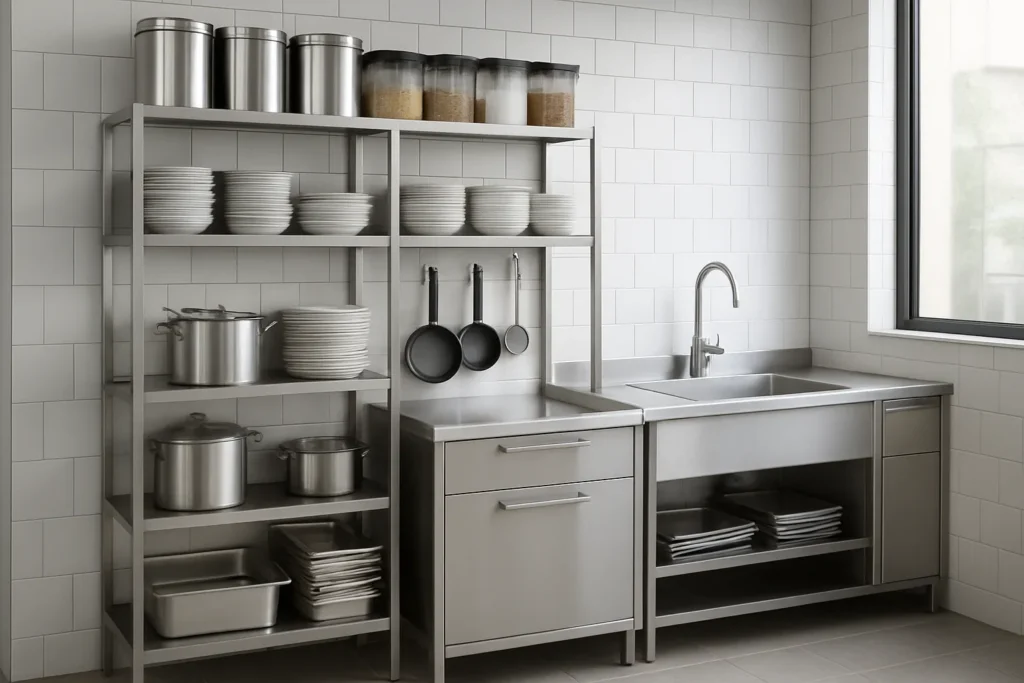
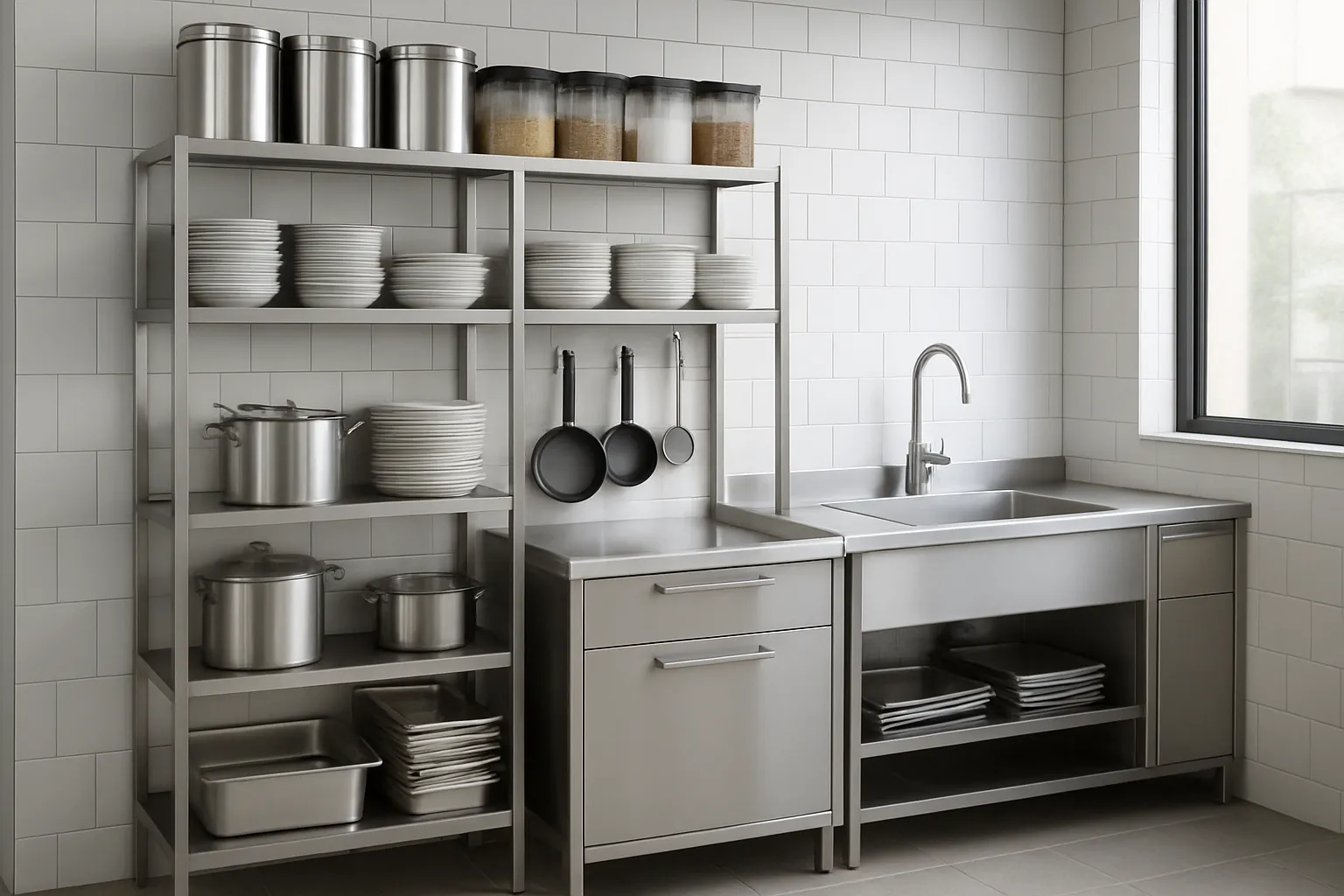
I’ve found that vertical storage is a game-changer for compact kitchens. By leveraging wall space, businesses can free up valuable counter and floor areas. This can be accomplished through the installation of shelves, pegboards, and wall-mounted racks. For instance, floating shelves can provide extra storage for spices, utensils, and cookbooks without encroaching on precious counter space. For more kitchen storage ideas, check out this industry reference.
Modular Storage Systems
Modular storage systems are incredibly versatile and can be tailored to meet the unique requirements of any kitchen. These systems typically come in various sizes and configurations, allowing businesses to adapt their storage as needed. For example, stackable bins and crates can be used to store ingredients, while modular shelving units can accommodate appliances and tools effectively.
Multi-Functional Furniture
Investing in multi-functional furniture can also optimize space significantly. For example, a kitchen island that serves as both a prep station and a storage unit can maximize functionality. Similarly, foldable tables and chairs can be tucked away when not in use, creating more room for movement during peak hours.
3. Kitchen Organizer Essentials
To further enhance kitchen efficiency, businesses should consider essential kitchen organizers that streamline storage and accessibility.
Must-Have Kitchen Organizers
Some essential kitchen organizers include drawer dividers, utensil trays, and spice racks. These organizers help keep items in their designated places, making it easier for staff to quickly find what they need, thus saving time during busy service periods.
Customizable Organizer Solutions
Customizable organizer solutions allow businesses to adapt their storage to specific needs. For instance, adjustable shelving can accommodate various item sizes, while stackable containers can be rearranged based on inventory changes. This flexibility is crucial for adapting to seasonal menu shifts or varying ingredient supplies.
Space-Saving Tools
Space-saving tools, such as collapsible colanders or nesting bowls, can also make a significant difference in a small kitchen. These tools minimize the space required for storage while still offering the functionality needed for daily operations.
4. Use Cases for Small Businesses
Different types of small businesses can greatly benefit from specific kitchen storage ideas tailored to their unique operational needs.
Cafés and Coffee Shops
In cafés and coffee shops, where speed and efficiency are paramount, vertical storage and modular systems can keep ingredients and supplies organized. For example, wall-mounted racks for coffee supplies and syrups can free up counter space, allowing baristas to work more effectively.
Food Trucks and Mobile Kitchens
Food trucks face unique challenges due to their limited space. Utilizing every inch of storage is critical. Custom shelving and under-counter storage can help maximize the available area, ensuring that essential equipment and ingredients are easily accessible while on the move.
Catering Services
Catering services frequently need to transport equipment and ingredients to various locations. Investing in stackable storage containers and portable organizers can facilitate quick loading and unloading, ensuring that everything is organized and ready for service.
5. Comparing Kitchen Storage Solutions
When evaluating kitchen storage solutions, businesses must consider various factors to find the best fit.
Cost vs. Efficiency
While cost is always a consideration, prioritizing the efficiency of the storage solution is equally important. Investing in higher-quality storage solutions may involve a higher upfront cost but can yield long-term savings through improved workflow and reduced clutter.
Durability and Maintenance
Durability is crucial in a busy kitchen environment. Materials that can withstand high temperatures, spills, and frequent use are essential. Additionally, surfaces that are easy to clean can help maintain hygiene standards and minimize maintenance time.
Aesthetic Considerations
A well-organized kitchen should also be visually appealing. Aesthetic considerations can enhance the overall dining experience for customers. Choosing stylish storage solutions that complement the kitchen’s design can create a cohesive look while retaining functionality.
6. Sourcing Kitchen Storage Ideas
Finding the right kitchen organizers and storage solutions is vital for small businesses looking to optimize their space.
Where to Buy Kitchen Organizers
Kitchen organizers can be sourced from various retailers, including specialized kitchen supply stores, online marketplaces, and wholesale suppliers. Each option has its advantages, so businesses should consider their specific needs and budget. For a variety of products, explore our product offerings.
Evaluating Suppliers and Manufacturers
When sourcing kitchen storage solutions, it’s important to assess suppliers based on quality, customer service, and delivery options. Reading reviews and seeking recommendations can help businesses make informed decisions.
Online vs. Local Sourcing
While online shopping offers convenience and a broader selection, local sourcing can provide the advantage of immediate availability and personalized service. Businesses should weigh the pros and cons of each option based on their urgency and specific requirements.
7. Implementation Strategies
Once suitable kitchen storage solutions have been identified, effective implementation is key to maximizing their benefits.
Planning Your Kitchen Layout
A well-thought-out kitchen layout is crucial for efficiency. Businesses should plan their storage solutions to minimize movement and maximize accessibility. Grouping similar items together can streamline workflow and reduce time spent searching for ingredients.
Tips for Effective Organization
Implementing clear labeling systems and designated storage areas for specific items can enhance organization. Regularly reviewing and reorganizing storage can also help maintain efficiency as inventory changes.
Training Staff on Storage Solutions
Training staff on the new storage solutions is essential for ensuring that they understand how to utilize the systems effectively. Regular training sessions can reinforce best practices and encourage staff to keep the kitchen organized.
8. Frequently Asked Questions
Common Concerns About Kitchen Storage
Small business owners often worry about the cost and effectiveness of various kitchen storage solutions. However, investing in the right organizers can lead to significant improvements in efficiency and workflow.
Troubleshooting Storage Issues
If storage issues arise, such as overcrowded shelves or difficulty accessing items, businesses should reassess their layout and storage solutions. Adjustments may be necessary to accommodate changing needs.
Best Practices for Maintenance
Regular cleaning and maintenance of storage solutions can prolong their lifespan and ensure a hygienic environment. Encouraging staff to keep storage areas tidy can also prevent clutter from becoming a recurring issue.
Conclusion
Maximizing space through innovative kitchen storage ideas is essential for small businesses aiming to enhance efficiency and productivity. By exploring various storage solutions, implementing effective organization strategies, and training staff, businesses can create a streamlined kitchen environment that leads to improved operations and customer satisfaction. Investing in the right kitchen organizers and storage systems is not just about saving space; it’s about creating a functional and efficient workspace that supports the overall success of the business.