
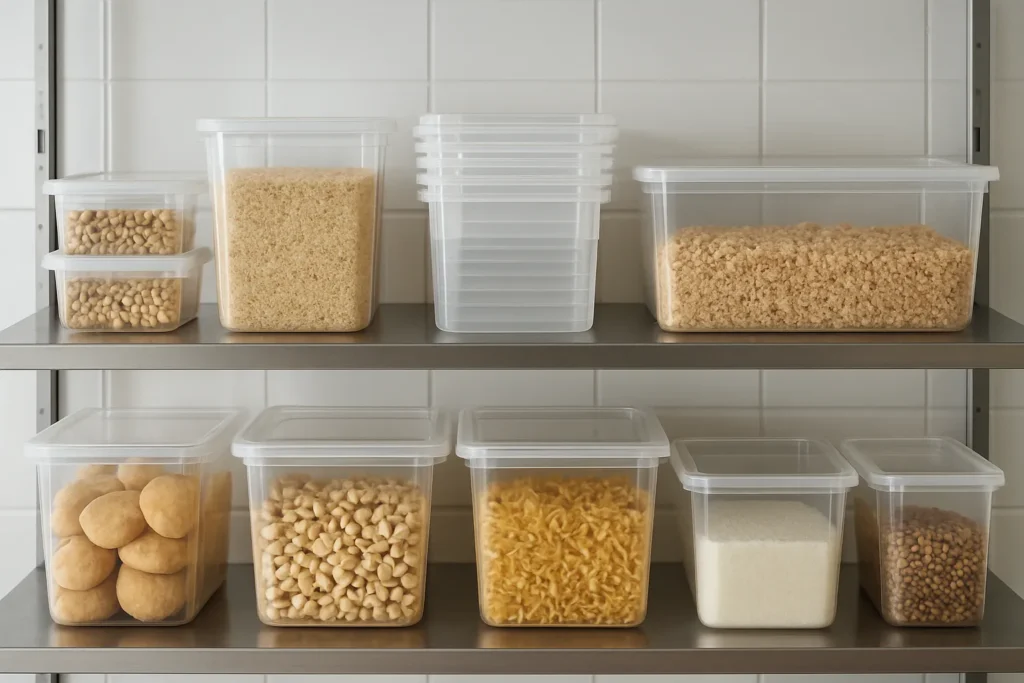
Wholesale Kitchen Storage Containers for Efficient Organization
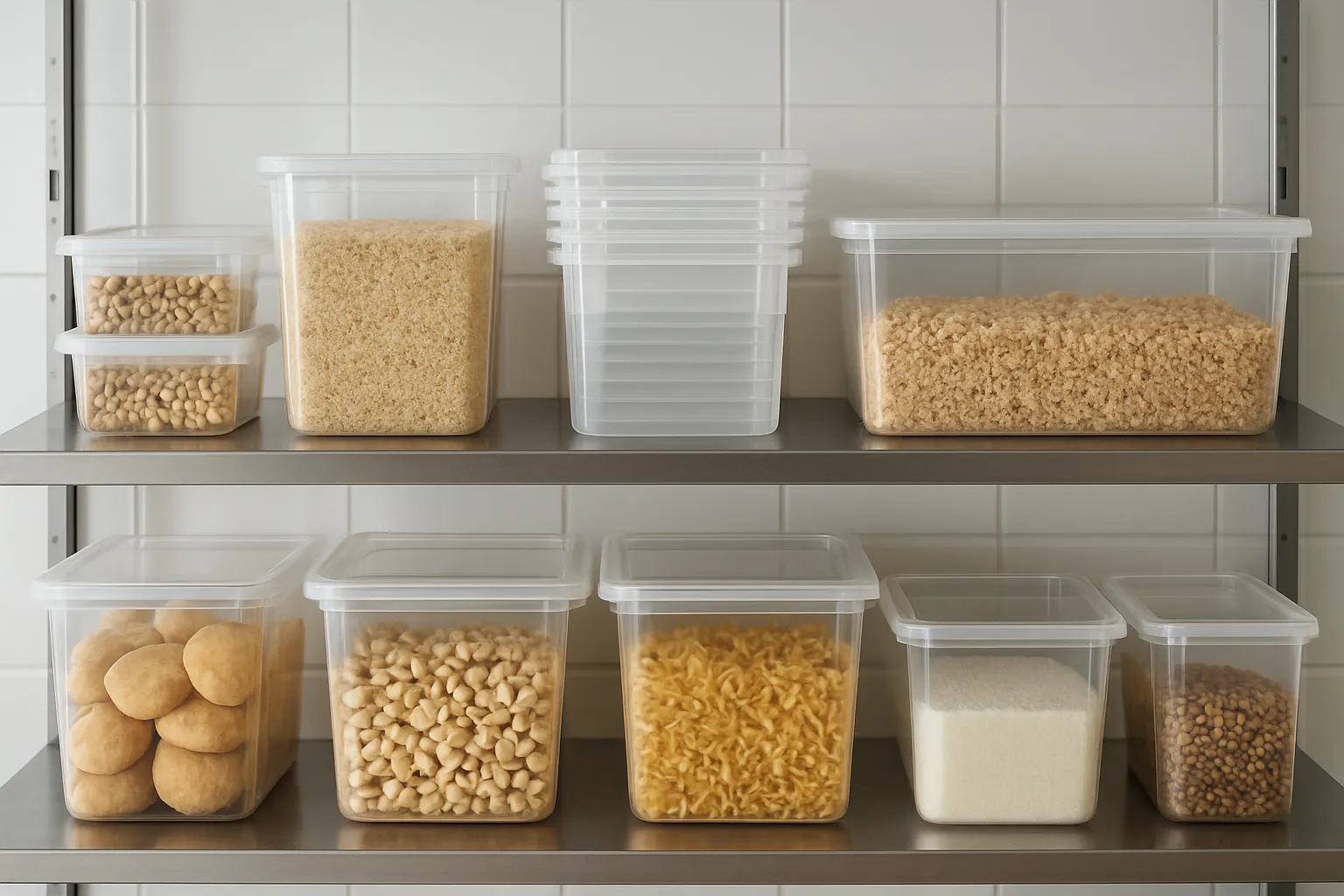
In the fast-paced world of food service and retail, effective organization is vital for operational success. Wholesale kitchen storage containers play a crucial role in maintaining order, efficiency, and safety within any kitchen environment. Purchasing these essential items in bulk not only helps businesses save costs but also ensures a consistent supply of necessary equipment.
As kitchens evolve, the need for specialized storage solutions has grown. From restaurants to catering services and even home kitchens, the demand for kitchen storage containers has surged. Understanding the various types and specifications of these containers is vital for bulk buyers looking to optimize their kitchen storage systems.
Specifications of Kitchen Storage Containers
When selecting kitchen storage containers, several specifications come into play, each contributing to the overall functionality and safety of the product.
- Material Options: Kitchen storage containers are available in various materials, including plastic, glass, and stainless steel. Each material has its advantages; for instance, glass containers are typically more durable and can withstand higher temperatures, making them ideal for both storage and cooking. In my experience, plastic containers are often lighter and more versatile, catering to a range of storage needs.
- Size and Capacity Considerations: The size of the containers is another critical factor. Bulk buyers should consider the amount of food or ingredients they typically store. Options range from small containers for spices to large bins for bulk grains or produce. Ensuring the right size can help maximize storage space and reduce waste.
- Durability and Safety Standards: Safety is paramount in any kitchen setting. Containers should meet food safety standards and be resistant to chemicals and heat. I believe buyers should look for products that are BPA-free and compliant with FDA regulations to guarantee the safety of stored food items.
Use Cases for Kitchen Storage Containers
The versatility of kitchen storage containers allows them to serve various purposes across different sectors.
- Commercial Kitchens: In commercial kitchens, where space is often limited, effective storage solutions are essential. Containers help organize ingredients, reduce clutter, and streamline food preparation processes.
- Food Service Industry: Restaurants, catering companies, and food trucks rely heavily on efficient storage systems. Bulk storage containers can help manage inventory, ensuring that food items remain fresh and accessible.
- Home and Retail Applications: Even in home kitchens and retail environments, kitchen storage containers play a vital role. They assist in meal prep, organization, and presentation, making them a must-have for any culinary enthusiast.
Comparing Different Types of Kitchen Storage Containers
When it comes to kitchen storage containers, buyers have a variety of options to choose from. Understanding the differences can help in making an informed decision.
- Plastic vs. Glass Containers: Plastic containers are lightweight, affordable, and often come in a range of sizes. However, glass containers are more durable and do not retain odors or stains. From what I’ve seen, buyers should consider their specific needs when choosing between these materials.
- Airtight vs. Non-Airtight Options: Airtight containers are ideal for preserving the freshness of food items, especially dry goods. Non-airtight containers may be suitable for items that do not require long-term storage.
- Stackable vs. Non-Stackable Designs: Stackable containers are excellent for maximizing storage space, particularly in smaller kitchens. Non-stackable designs may offer more versatility in terms of accessibility but can take up more space.
Sourcing Wholesale Kitchen Storage Containers
Finding the right wholesale supplier is crucial for bulk buyers looking to invest in kitchen storage containers.
- Finding Reliable Wholesale Suppliers: Start by researching potential suppliers online and reviewing their product offerings. Look for suppliers with a strong reputation and positive customer feedback.
- Evaluating Supplier Credentials: It’s essential to verify the credentials of potential suppliers. Check for certifications, quality assurance processes, and compliance with industry standards to ensure you are partnering with a reliable source.
- Negotiating Bulk Purchase Agreements: Once you identify potential suppliers, negotiate terms that work for your business. Discuss pricing, minimum order quantities, and delivery timelines to secure the best deal.
Implementation Strategies for Bulk Buyers
Once bulk buyers have sourced their kitchen storage containers, implementing effective strategies is crucial for maximizing their utility.
- Inventory Management Tips: Maintain an organized inventory system to track the usage of storage containers. This can help prevent overstocking or running out of essential items.
- Best Practices for Storage Organization: Utilize clear labeling and systematic organization to ensure that all items are easy to locate. This can enhance efficiency and reduce food waste.
- Training Staff on Container Use: Proper training for staff on how to use and maintain storage containers can significantly impact the longevity and effectiveness of these products. Regular training sessions can reinforce best practices.
Frequently Asked Questions (FAQs)
- What to Look for in a Supplier? Look for suppliers with a strong industry reputation, positive reviews, and a wide range of product offerings. Consider their ability to meet your specific needs and their customer service responsiveness.
- How to Ensure Quality in Bulk Orders? Request samples before placing a large order to assess the quality of the containers. Additionally, inquire about the supplier’s quality control processes.
- What Are the Typical Lead Times for Orders? Lead times can vary based on the supplier and the size of the order. It’s advisable to discuss expected delivery times upfront to ensure your needs are met in a timely manner.
In conclusion, wholesale kitchen storage containers are essential for any business looking to optimize its kitchen operations. By understanding the specifications, use cases, and sourcing strategies, bulk buyers can make informed decisions that enhance efficiency and organization. With the right containers in place, businesses can ensure that their kitchens run smoothly, ultimately leading to improved service and customer satisfaction.