
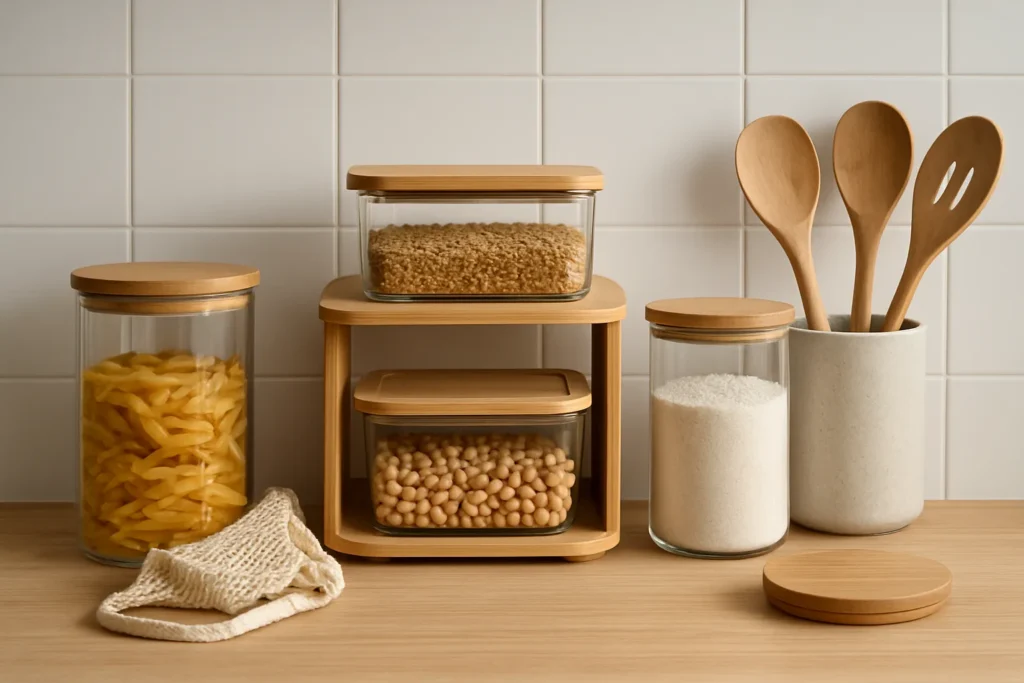
Eco-Friendly Kitchen Storage Solutions for Sustainable Businesses
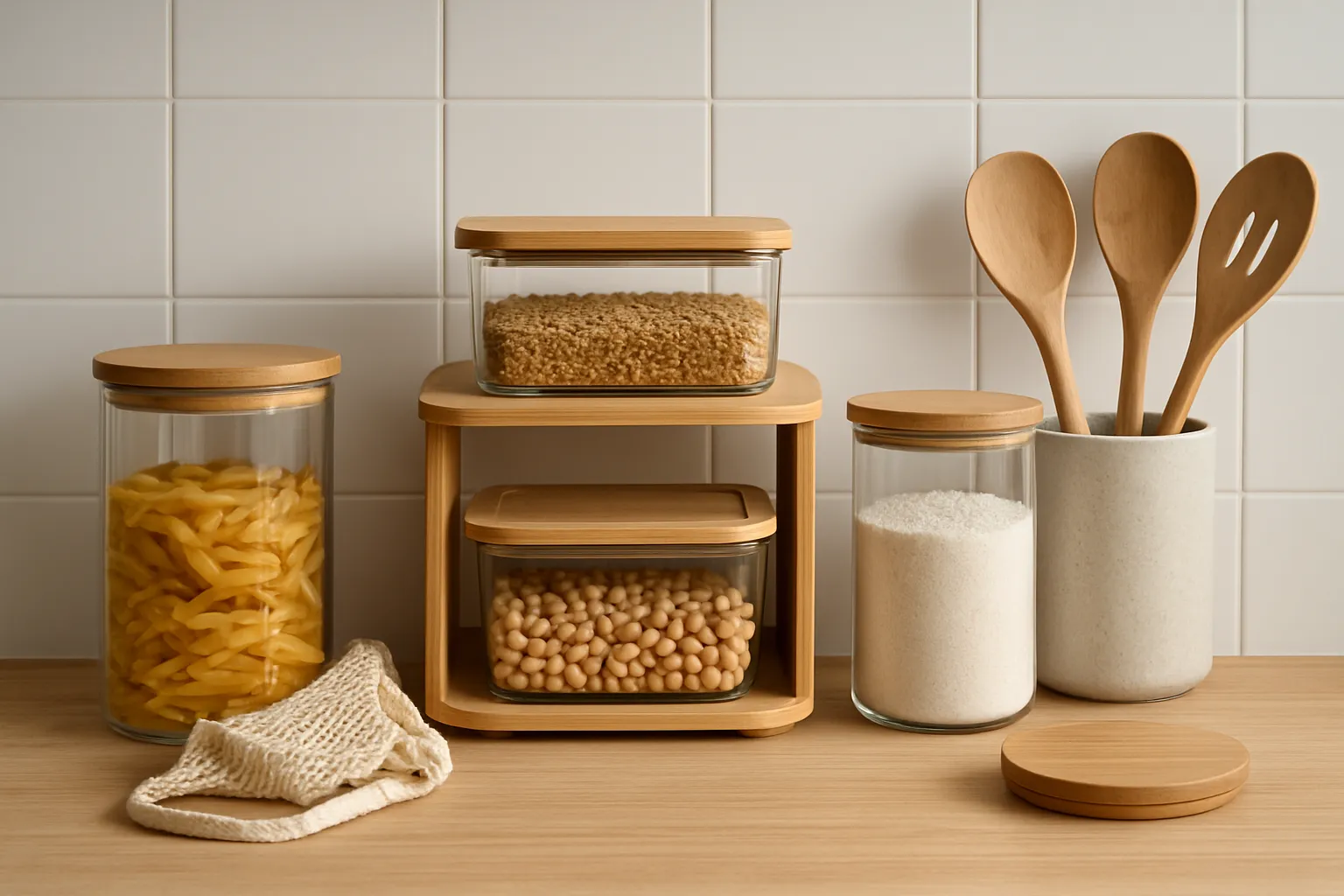
In today’s environmentally conscious marketplace, the significance of sustainability in kitchen storage solutions is paramount. Businesses are increasingly aware of their ecological footprint and are actively seeking ways to reduce waste and promote sustainability. Eco-friendly kitchen storage solutions not only assist businesses in meeting regulatory requirements but also resonate with a growing segment of eco-aware consumers. In my experience, integrating sustainable practices can significantly enhance a company’s reputation while positively impacting the environment. This article delves into various eco-friendly kitchen storage options, emphasizing their benefits and practical applications in modern business settings.
Types of Eco-Friendly Storage Solutions
When exploring eco-friendly storage solutions, businesses have multiple options to consider, each contributing to sustainability in its own unique way.
- Biodegradable Materials: Products made from biodegradable materials, such as plant-based plastics or bamboo, are designed to break down naturally over time. These materials provide an excellent alternative to traditional plastics, minimizing landfill waste and promoting a circular economy.
- Recycled Materials: Utilizing recycled materials for kitchen storage not only conserves natural resources but also minimizes energy consumption during production. Options include storage containers made from recycled plastics or glass, which are both functional and aesthetically pleasing.
- Customized Metal Products: Customized metal products, such as stainless steel shelving or storage bins, are durable and long-lasting. They can be tailored to fit specific business needs and are often made from recycled metals, making them a sustainable choice. Their longevity reduces the need for frequent replacements, which further minimizes waste. For more information on customized metal products, visit our product page.
Benefits of Eco-Friendly Kitchen Storage
Adopting eco-friendly kitchen storage solutions offers numerous benefits that extend beyond environmental impact.
- Environmental Impact: The most significant advantage is the positive effect on the environment. Eco-friendly materials help reduce pollution, conserve resources, and lower greenhouse gas emissions.
- Cost-Effectiveness: While the initial investment in eco-friendly storage solutions may be higher, the long-term savings can be substantial. Durable materials reduce replacement costs, and energy-efficient production processes can lead to lower utility bills.
- Enhanced Brand Image: Companies that prioritize sustainability often enjoy a stronger brand image. Consumers are increasingly drawn to businesses that demonstrate a commitment to environmental stewardship, which can lead to increased customer loyalty and sales.
Use Cases for Eco-Friendly Kitchen Storage
Eco-friendly kitchen storage solutions can be effectively implemented across various business sectors.
- Commercial Kitchens: In large-scale food preparation environments, utilizing eco-friendly storage can streamline operations while promoting sustainability. For instance, using recycled metal shelving can provide sturdy, long-lasting storage for ingredients and equipment.
- Restaurants and Cafés: Dining establishments can enhance their appeal by using eco-friendly storage solutions in both front-of-house and back-of-house areas. Biodegradable takeout containers and recycled glass jars for condiments can resonate with eco-conscious diners.
- Catering Services: Catering businesses can benefit from eco-friendly storage options by utilizing reusable containers for transporting food. This not only reduces waste but also enhances the overall presentation of catered events.
Comparison of Eco-Friendly Storage Solutions
When evaluating eco-friendly storage solutions, it’s essential to compare them against traditional options.
- Traditional vs. Eco-Friendly Options: Traditional storage solutions often rely on single-use plastics and materials that are not biodegradable. In contrast, eco-friendly options focus on sustainability, longevity, and recyclability.
- Material Durability and Lifespan: Eco-friendly materials like stainless steel and recycled plastics typically offer superior durability compared to traditional counterparts. This durability translates to a longer lifespan, making them a more sustainable choice.
- Cost Analysis: Although eco-friendly options may have a higher upfront cost, the long-term savings associated with durability and reduced waste often offset these initial expenses. Businesses should conduct a thorough cost analysis to understand the financial implications of their choices.
Sourcing Eco-Friendly Kitchen Storage
Finding reliable suppliers for eco-friendly kitchen storage is crucial for businesses committed to sustainability.
- Finding Reliable Suppliers: Businesses should seek out manufacturers that specialize in eco-friendly products. Researching companies with a proven track record in sustainability can help ensure quality and reliability.
- Certifications to Look For: Look for certifications such as ISO 14001 (Environmental Management) or FSC (Forest Stewardship Council) for wood products. These certifications indicate that the products meet specific sustainability standards.
- Evaluating Product Quality: Quality should never be compromised for sustainability. Businesses should assess the durability and functionality of eco-friendly storage solutions before making a purchase.
Implementing Eco-Friendly Storage Solutions
Successfully integrating eco-friendly storage solutions into existing operations requires careful planning.
- Planning and Design Considerations: Businesses should consider their specific storage needs and how eco-friendly options can fit into their layout. Customization can be key in ensuring efficiency and functionality.
- Integration with Existing Systems: It’s essential to evaluate how new storage solutions will integrate with current systems. This may involve redesigning storage areas or retraining staff on best practices.
- Staff Training and Awareness: Educating staff about the benefits and proper use of eco-friendly storage solutions is vital. Training can foster a culture of sustainability within the organization and encourage staff to embrace eco-friendly practices.
Frequently Asked Questions
- What are the best materials for eco-friendly storage? The best materials include biodegradable plastics, recycled metals, and sustainably sourced wood. Each material offers unique benefits that contribute to sustainability.
- How do I ensure my storage solutions are truly sustainable? Look for certifications, research supplier practices, and choose materials that are recyclable or biodegradable to ensure sustainability.
- What are the cost implications of switching to eco-friendly options? While initial costs may be higher, the long-term savings from durability and reduced waste can make eco-friendly options more cost-effective over time.
In conclusion, eco-friendly kitchen storage solutions present a viable path for modern businesses aiming to enhance their sustainability efforts. By investing in biodegradable, recycled, and customized metal products, companies can reduce their environmental impact, save costs in the long run, and improve their brand image. As consumers increasingly favor businesses that prioritize sustainability, adopting these solutions is not just an ethical choice but a strategic one. Embracing eco-friendly kitchen storage is a step toward a more sustainable future for businesses and the planet alike. For more insights on eco-friendly storage solutions, you can refer to this industry reference from AZoM.