
Storage Handles: Separate Lid and Body Fittings
Specify storage-container handles by naming the part they attach to and the actual fitting arrangement being proposed. Separate a lid handle from body-side handles, then request the relevant attachment and clearance views. Catalogue appearance does not establish a carrying rating or a common fitting across different containers. Keep those questions explicit in the supplier response.
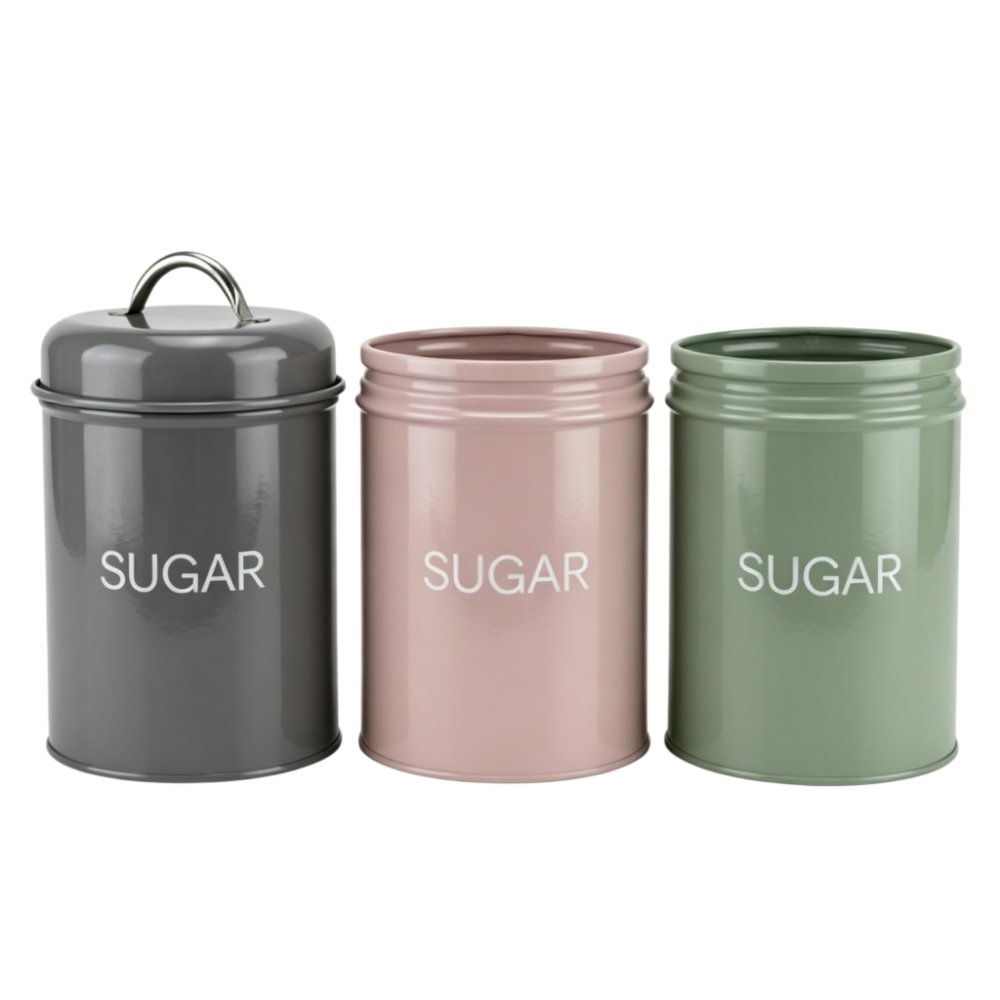
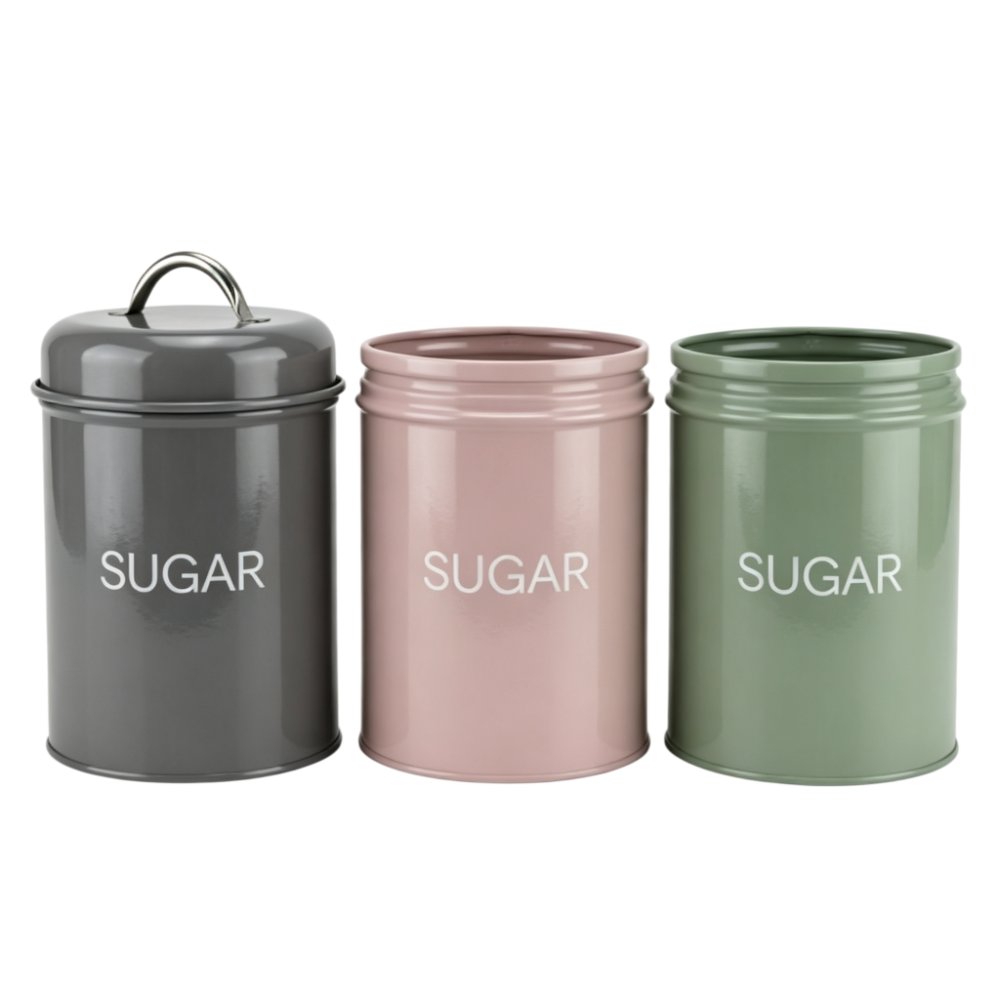
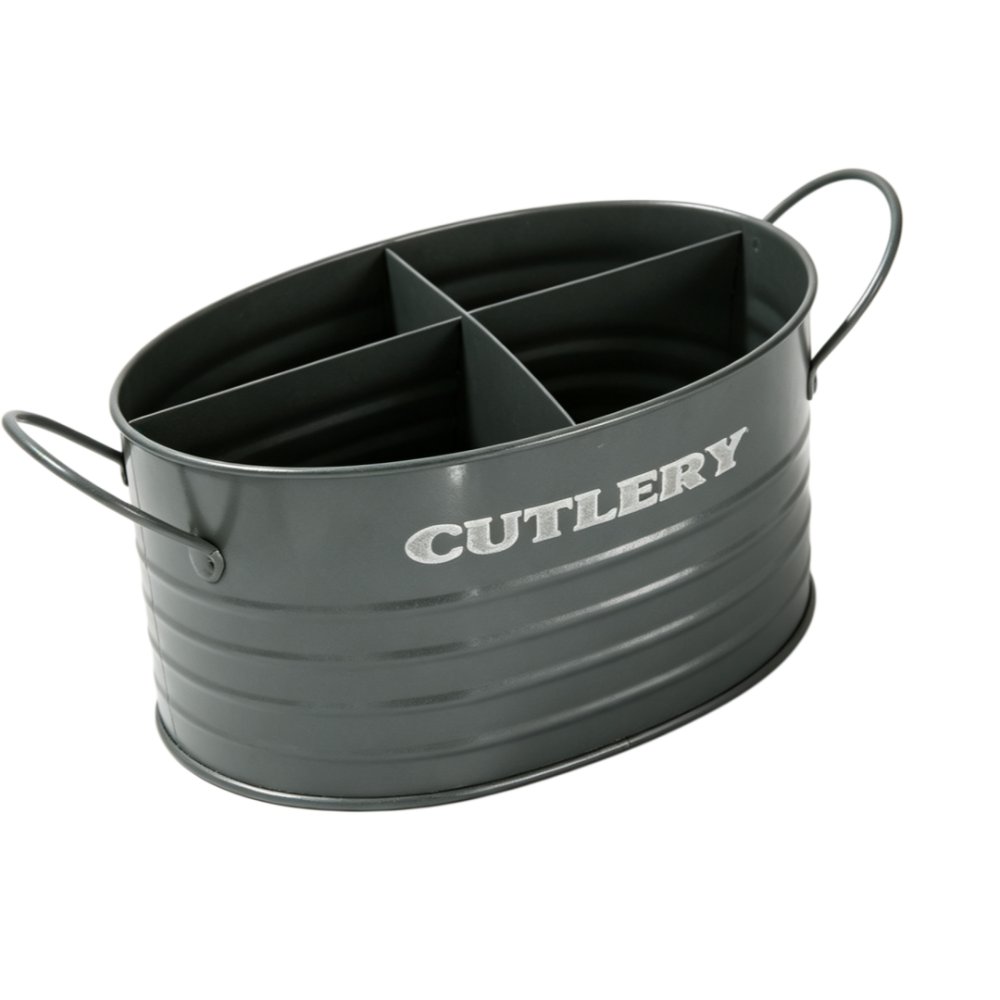
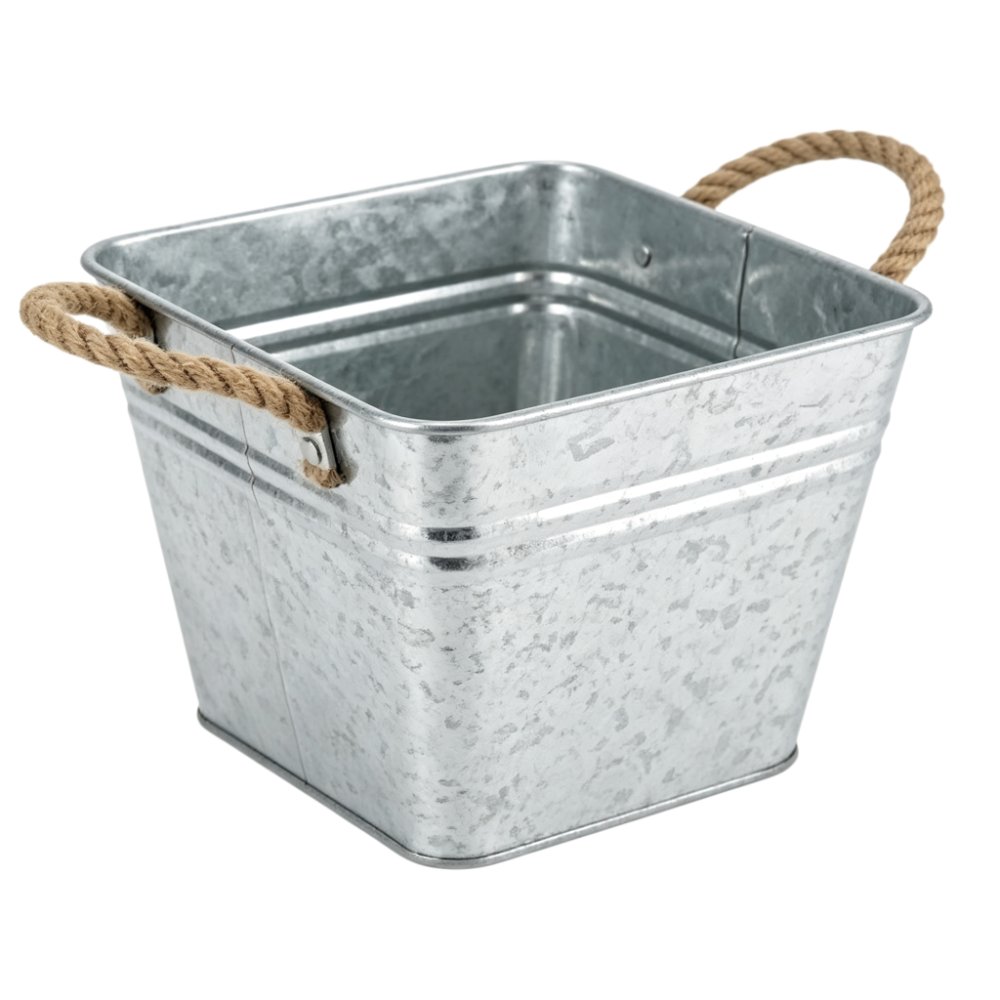
Yafeng shows a lidded container arrangement, a divided caddy with metal side handles and a rectangular bucket with rope handles. These are different handle interfaces. A purchasing comparison should identify the specific fitting and its purpose in the proposed supply, instead of treating every visible handle as the same component.
Name the component before describing the handle
The Cutlery Bucket catalogue page contains an image of containers printed Sugar, including a closed version with a curved lid handle. Preserve that actual visual reference when enquiring; a page name alone does not resolve the identity of every pictured version.
The Divided Utensil Bucket shows handles at the sides of the body. The rope-handle bucket presents another body-side arrangement. Give each proposed fitting its own reference rather than transferring details from one product to another.
- Lid or body attachment identified.
- Selected fitting and supplier reference.
- Requested attachment and clearance views.
- Included parts and unresolved requirements stated.
Request attachment views for the selected fitting
Ask the supplier to identify where the handle attaches and which components form the attachment. Use an unobstructed view or drawing of the actual proposed model. A front photograph may identify a visible handle but leave its reverse connection, movement or separate fittings unclear.
Keep any requested construction description beside that reference. Do not infer a joining method or material grade from a familiar appearance. If the supplier proposes another fitting, ask it to explain which part differs and provide the corresponding view instead of calling the new option equivalent without detail.
| Reference | Identify | Do not assume |
|---|---|---|
| Lid handle | Lid and its specific attachment | A body carrying rating |
| Metal side handles | Selected caddy and body-side arrangement | An unseen joining method |
| Rope side handles | Selected bucket and proposed fitting | Equivalent performance to another handle |
Separate access clearance from the body dimensions
If the buyer needs a clearance measurement, identify the relevant points and the handle position. Ask whether the proposed measurement concerns a fixed opening, a particular handle arrangement or another stated condition. Do not estimate hand clearance from the scale of a catalogue image.
Consider the relationship to the lid and body rim as separate questions where relevant. The selected closed-container view does not demonstrate every open position. Request the missing view for the proposed arrangement rather than treating a lid handle and two side handles as interchangeable access features.
State what the quoted supply includes
Ask whether the offered item includes the identified handle and its relevant attachment components. Where a buyer requests loose parts or an alternative assembly condition, make that a separate enquiry field. A catalogue view of an assembled item does not establish a loose-component offer.
Keep divider details separate from handle details on the divided caddy. Acceptance of the visible side-handle layout should not silently approve a different internal partition arrangement. Give the supplier enough identifiers to distinguish a proposed change to one feature from a substitution of the complete container.
Retain the proposal without inventing a rating
Record the selected reference, supplier description, views received and unresolved questions together. Request a physical sample when that is needed to review the proposed access or fitting. Retain the sample identifier so observations are not transferred to another size or construction by mistake.
Handle appearance alone does not establish carrying capacity, attachment strength or suitability for a particular load. Ask for appropriate information for any such requirement separately. The fitting proposal clarifies the components being discussed; it does not provide a performance certificate, a food-use approval or an order-specific commercial promise.
Frequently Asked Questions
Can a lid handle be treated as a body handle?
Keep them separately identified. Ask for the proposed function and arrangement rather than transferring a use or rating between components.
Does the photograph establish how a handle is attached?
It may leave important details hidden. Request an unobstructed attachment view or drawing for the actual selected model.
Can handle clearance be estimated from the image?
Request a measurement with defined points and a stated handle condition. The catalogue image is a design reference, not a scale drawing.
Does a similar handle prove the same capacity?
No. Appearance does not establish load capacity or attachment performance. Keep any required evidence specific to the proposed product.
Compare the storage range and send your fitting references through Contact. The blog includes broader storage topics.