
Top Kitchen Storage Solutions for Efficient Pantry Organization
In today’s fast-paced food service industry, efficient pantry organization is more than just a convenience; it’s a necessity. Whether you’re managing a bustling restaurant kitchen or a small catering service, the ability to quickly locate ingredients can significantly enhance productivity and customer satisfaction. Kitchen storage solutions not only streamline operations but also improve the overall functionality of kitchen spaces. With various options available, choosing the right pantry organizers can transform disorganized storage areas into efficient, well-structured workspaces.
Types of Kitchen Storage Solutions
When it comes to kitchen storage, there are several types of solutions to meet different needs and preferences:
Shelving Units
Shelving units are foundational to kitchen storage. They offer a sturdy platform for storing ingredients, equipment, and supplies. Available in materials such as metal, wood, and plastic, these units can be customized to fit any pantry size. Open shelving promotes easy access and visibility, while closed shelving helps keep items dust-free.
Bins and Baskets
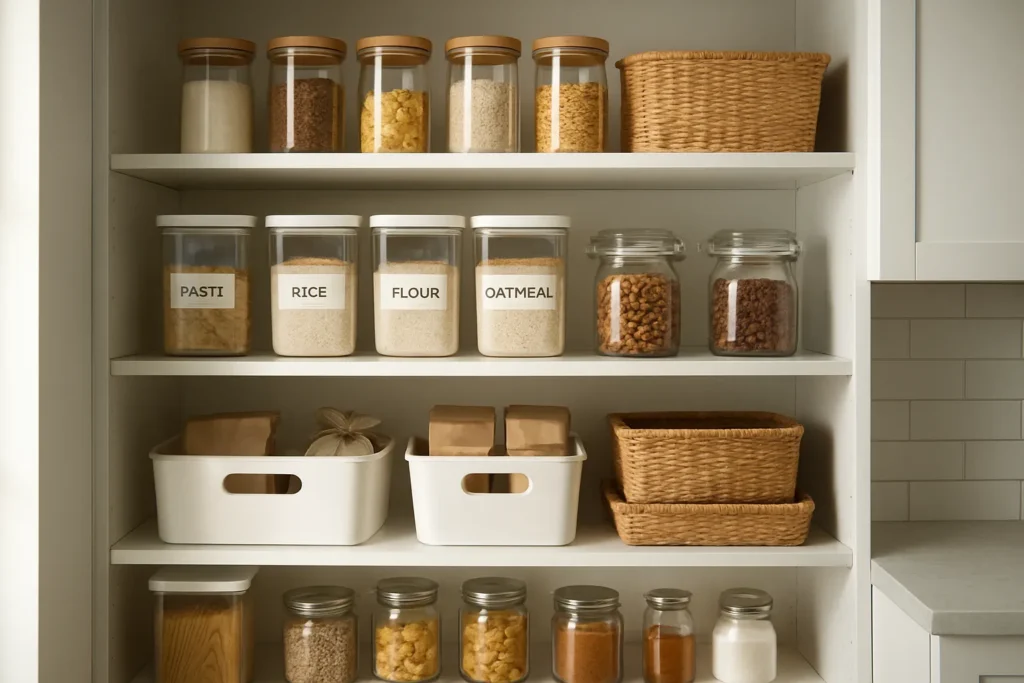
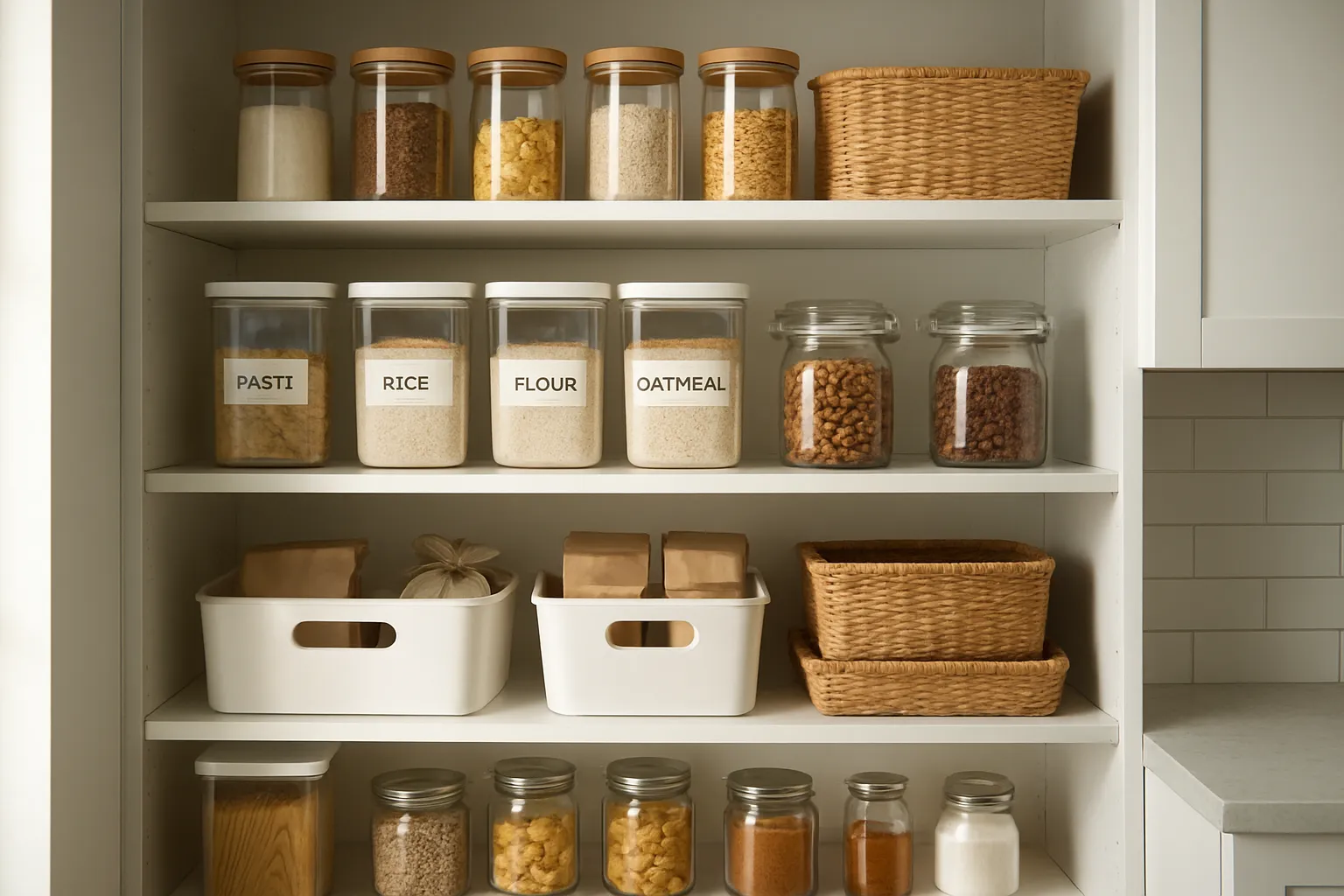
Bins and baskets are fantastic for categorizing and storing smaller items. They can group similar ingredients, such as spices or canned goods, making it easier to find what you need. Stackable bins maximize vertical space, while labeled baskets enhance organization and help prevent clutter. In my experience, these versatile storage solutions are essential for maintaining order in any pantry.
Drawer Organizers
Drawer organizers are a practical choice for smaller kitchens or pantries. They help neatly arrange utensils, cutlery, and small packages, ensuring everything has its designated spot. With customizable dividers, these organizers can adapt to various drawer sizes, providing flexibility in organization. They are particularly useful in commercial kitchens where space is at a premium.
Key Features to Consider
When selecting kitchen storage solutions, it’s vital to consider several key features:
Material Durability
Durability is crucial in a kitchen environment where storage solutions face daily wear and tear. It’s wise to opt for materials that resist moisture, stains, and heat. Stainless steel, heavy-duty plastic, and treated wood are popular choices that ensure longevity.
Size and Capacity
The size of your storage solutions should align with the available space and the volume of items to be stored. Measure your pantry dimensions and consider the capacity of each storage unit to maximize efficiency. I’ve seen overcrowded shelves or bins lead to disorganization and wasted time, so planning is essential.
Accessibility and Visibility
Accessibility is vital for maintaining an efficient workflow. Choose storage solutions that allow for easy access to frequently used items. Transparent bins or open shelving can enhance visibility, reducing the time spent searching for ingredients. Solutions that facilitate quick retrieval while keeping less-used items stored away are highly beneficial.
Use Cases for Pantry Organizers
Different kitchen environments can benefit from tailored pantry organizers:
Commercial Kitchens
In commercial kitchens, where speed and efficiency are paramount, robust shelving units and clear labeling systems are essential. Organizers that allow for quick access to ingredients help maintain a smooth workflow, especially during peak service times.
Catering Services
Catering services often require portable and flexible storage solutions. Stackable bins and lightweight shelving can be easily transported and rearranged, adapting to various event setups. Efficient organization ensures that caterers can deliver high-quality service without unnecessary delays.
Food Retailers
Food retailers, including grocery stores and specialty shops, benefit from visually appealing storage solutions. Attractive bins and shelving that showcase products can enhance the shopping experience while maintaining organization. Effective use of space can lead to increased sales and customer satisfaction.
Comparing Kitchen Storage Options
When evaluating kitchen storage options, consider the following factors:
Cost Analysis
Cost is a significant consideration for businesses. While investing in high-quality storage solutions may require a higher initial outlay, the long-term benefits of durability and efficiency often outweigh the costs. It’s important to analyze your budget and prioritize storage solutions that offer the best return on investment.
Space Efficiency
Space efficiency is critical in any kitchen environment. Assess how each storage solution utilizes vertical and horizontal space. Solutions that maximize storage capacity without compromising accessibility will lead to better organization and workflow.
Versatility and Adaptability
Choose storage solutions that can adapt to changing needs. Modular shelving and adjustable bins can accommodate varying inventory levels and types, ensuring your pantry remains organized over time. I believe versatile solutions can save costs by eliminating the need for frequent replacements.
Sourcing Kitchen Storage Solutions
Finding the right suppliers for kitchen storage solutions is crucial for quality and pricing:
Top Suppliers and Manufacturers
Research reputable suppliers and manufacturers that specialize in kitchen storage. Look for companies with a proven track record in the food service industry, as they will understand the specific needs of commercial kitchens.
Evaluating Quality and Pricing
When sourcing storage solutions, evaluate the quality of materials and construction. Request samples or visit showrooms to assess products firsthand. Compare pricing across different suppliers to ensure you’re getting the best deal without sacrificing quality.
Bulk Purchase Considerations
For larger operations, consider bulk purchasing options. Many suppliers offer discounts for bulk orders, which can significantly reduce costs. Additionally, buying in bulk ensures consistency in materials and design across your kitchen storage solutions.
Implementation Strategies
Once you have selected the appropriate kitchen storage solutions, effective implementation is key:
Planning Your Pantry Layout
Before installation, plan your pantry layout carefully. Consider workflow patterns and the frequency of use for different items. A well-thought-out layout will enhance efficiency and make the best use of available space.
Best Practices for Installation
Follow best practices for installation to ensure stability and safety. Secure shelving units to walls if necessary, and ensure that heavy items are placed on lower shelves to prevent accidents. Adhering to safety standards will protect both staff and inventory.
Maintenance Tips for Longevity
Regular maintenance is essential for the longevity of your kitchen storage solutions. Clean shelves and bins periodically to prevent the buildup of dust and grime. Inspect for any signs of wear and tear, addressing issues promptly to ensure continued functionality.
Frequently Asked Questions
What are the best materials for kitchen storage?
The best materials for kitchen storage include stainless steel, heavy-duty plastic, and treated wood. These materials are durable, resistant to moisture, and easy to clean.
How to choose the right size for pantry organizers?
To choose the right size for pantry organizers, measure your pantry space and consider the volume of items to be stored. Ensure that the organizers fit comfortably without overcrowding.
Can kitchen storage solutions improve workflow?
Yes, effective kitchen storage solutions can significantly improve workflow by reducing clutter, enhancing accessibility, and allowing for quick retrieval of ingredients, ultimately leading to increased productivity.
Conclusion
Efficient pantry organization is a cornerstone of successful kitchen operations. By investing in the right kitchen storage solutions, businesses can enhance their workflow, maintain order, and improve overall productivity. From shelving units to bins and baskets, there are numerous options available to suit every need. By considering durability, size, and accessibility, and sourcing quality solutions, kitchens can transform their storage systems into efficient and organized spaces.