
Mini Cabinet RFQs: Confirm the Interior Layout
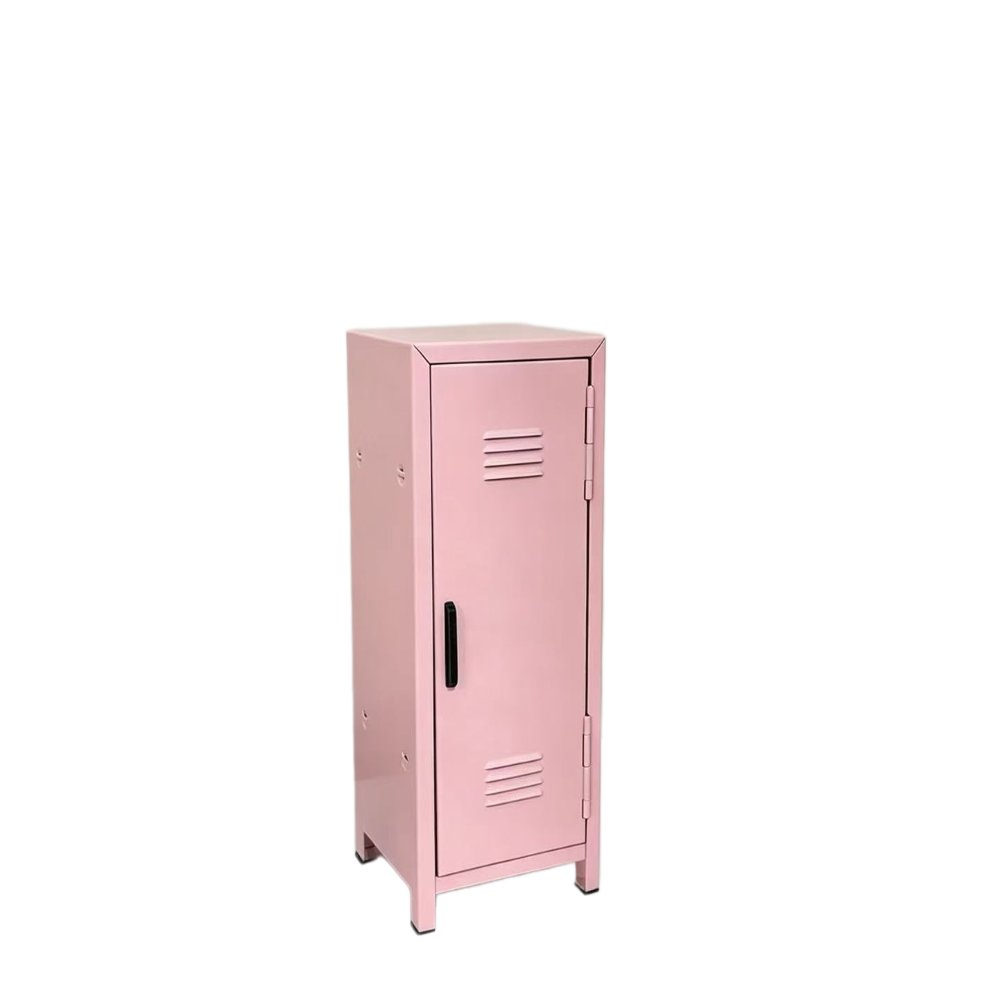
Pink mini-cabinet catalogue reference with one visible front panel. The closed view does not establish the internal level count or usable compartment dimensions.
For a miniature metal cabinet enquiry, request an identified open view and internal layout drawing before defining storage compartments. Yafeng’s product page lists dimensions of 11 × 11 × 27.5cm and describes internal levels, but supplies no compartment count or internal dimension sheet. Ask the supplier to confirm the actual opening arrangement, level boundaries and usable space for the offered version.
This gives a buyer a clearer product record than a wardrobe-style description alone. A closed cabinet photograph can identify the appearance, while the interior drawing answers which spaces are actually available. Buyers comparing wholesale boxes and miniature storage cabinets can retain both references without treating the complete product’s size entry as a measurement of every internal compartment.
Attach the layout request to the actual mini cabinet
Use the Hardware Colorful Vertical Miniature Storage Cabinet page in the enquiry. Its material entry says Hardware / Metal Construction, and its product dimensions are 11 × 11 × 27.5cm. Keep those source entries with the selected catalogue reference. Ask the supplier to mark the dimensional axes where needed instead of assuming their order defines an internal width, depth and height.
The description compares the design with a traditional double-door wardrobe, while the supplied gallery views show a closed cabinet with one visible front panel. Ask for the actual supplied door arrangement rather than copy the analogy as a confirmed door count. Keep the supplier’s response attached to the offered version and matching sample.
Request an open view that explains the arrangement
Ask the supplier to show the cabinet open and identify the door panels, opening direction and interior being proposed. A clear view should make the level boundaries understandable without requiring the buyer to infer them from exterior vents, holes or proportions. If another configuration is offered, give it a separate reference instead of applying its layout to the original catalogue item.
Layout field
Question to resolve
Supplier record
Opening arrangement
Which panels open and in what arrangement?
Identified open view
Internal levels
Which boundaries form the supplied compartments?
Numbered or named layout drawing
Usable space
Which clear dimensions apply to each level?
Marked endpoints and stated units
Shelf condition
Which parts are fixed or otherwise supplied?
Version-specific construction response
Sample identity
Which physical cabinet represents this drawing?
Linked sample identifier and revision
Use the supplier’s confirmed level identifiers in later questions. A phrase such as “the middle space” can remain unclear if the buyer and supplier are looking at different proposed layouts. A marked drawing lets the buyer point to one compartment and ask a specific question without assuming how many shelves or divisions are actually supplied.
Separate exterior reference. Its visible front and side details do not prove a shared interior across every pictured colour or version.
Define clear compartment measurements separately
For each confirmed level, ask which surfaces define the usable width, depth and clear height. Request the relevant endpoints on the drawing. Keep a measurement of the overall cabinet in its own field. The buyer should be able to distinguish the product’s listed dimensions from a supplier’s answer about the space within a particular compartment.
If a specific object must fit, identify its external dimensions and intended orientation in the enquiry. Ask the supplier to address that reference for the selected compartment and opening. The catalogue mentions organising items such as jewellery and stationery, but that application wording does not establish clearance for a particular buyer-supplied item.
Keep the offered cabinet and open-view reference together.
Identify every confirmed compartment before recording its dimensions.
Mark the clear-measurement endpoints and units.
State any object-fit requirement as a separate, identified request.
Keep shelf and configuration questions answerable
Ask the supplier to describe whether the supplied level boundaries are fixed or whether another arrangement is actually offered. Do not assume adjustable or removable shelves from a general statement about internal levels. If a changed layout is requested, ask for a feasibility response and keep the proposed change separate from the catalogue reference.
Retain the drawing revision with the sample used for review. If the supplier sends another cabinet, ask whether its interior follows the same drawing before carrying the earlier decision forward. A similar exterior colour or handle appearance is not enough to identify the internal construction being approved.
Record what the review has resolved: the supplied opening arrangement, level layout and identified clear dimensions. Keep any other required evaluation separately defined. An interior-layout record does not establish load capacity, locking security or suitability for every item that a buyer might want to store.
Send a focused interior-layout enquiry
A useful request can read: “For the linked miniature storage cabinet and selected version, please provide an identified open view and layout drawing. Confirm the actual door arrangement, supplied levels and clear dimensions for each compartment. State which parts are fixed, link the drawing to a sample, and identify any alternative layout as a separate proposal.”
Send the product reference and any specific object-fit requirement through the Yafeng contact page. The supplier can then respond to a defined layout question, and the buyer can retain the confirmed interior information alongside the cabinet’s exterior catalogue reference.
White exterior catalogue view. Request the matching open view and drawing for any interior approval; this image is not a compartment diagram.
Frequently asked purchasing questions
Does the wardrobe analogy confirm two doors?
Ask the supplier for the actual opening arrangement. The closed catalogue views do not settle the complete supplied construction.
Do 11 × 11 × 27.5cm describe each compartment?
They are the page’s product dimensions. Request separate clear measurements for the confirmed internal levels.
Are the shelves adjustable or removable?
The page does not specify that detail. Ask for the version-specific construction or an actual alternative proposal.
What closes the interior selection record?
The identified cabinet, confirmed opening arrangement, marked internal layout and dimensions, linked sample and drawing revision.
Mini CabinetInterior LayoutStorage RFQ